

What Is Personal Transportation?
Private transportation is the use of or private transportation vehicles. This could include cars, bikes, scooters unicycles, and other micromobility devices. It could also be referring to the use of public transit systems.
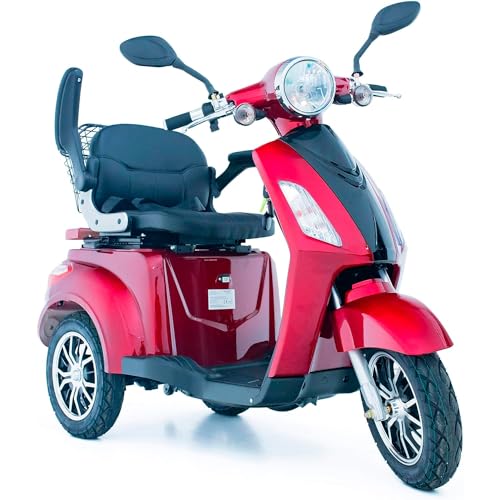
Private transport can help you save time and get you to your destination. Additionally, are electric mobility scooters legal is more comfortable and offers privacy that's not offered on public transportation.
Cost
Many families discover that the cost of personal transport is a major expense. This can make it difficult for families to save or invest money in other areas. Fuel can be a costly expense. There are ways to reduce your expenses for transportation.
Despite all these advantages, many people still prefer private transportation to commute. They consider it to be the most convenient and comfortable way of getting around. You can also opt to hire a chauffeur for their journeys. The cost for this kind of transportation is usually more expensive than public transportation, however it can offer greater security and peace of mind.
As EVs benefit from advancements in battery technology, charging infrastructure, and other areas, the future of personal transportation is likely to be electric. In addition, EVs will have lower emissions than traditional vehicles and be more accessible. This will allow a lot of people to switch from gasoline vehicles to electric ones, which will help reduce GHG emissions as well as traffic congestion.
The advantages of public transportation are numerous and can be a great alternative to private transportation. The cost of mass transit is lower and eco-friendly than private vehicles. Furthermore, it offers lots of convenience and is often equipped with security cameras to ensure the safety of passengers. Additionally, it can help passengers avoid paying maintenance and parking fees. The main drawback of public transport is that it can sometimes be slow and unpredictable. Transporting children or the elderly can be challenging. This can lead to delays and lead to the cancellation of a medical appointment.
Time
The time needed to complete a personal transport task can be a significant influence on people's lives. People who have a busy schedule often find that their commutes are too long. It is possible to cut down on the amount of time they have to travel by using carpools or working from home, or residing closer to their jobs. Read the Full Guide can also cut down on time by walking or riding a bicycle instead of driving.
The advancement of technology could revolutionize personal transport. Electric vehicles equipped with solid state batteries are one example. They have more range and faster charging times. These technologies can also improve safety and reduce traffic congestion by optimising traffic management. Autonomous cars are a different development that can make travel more convenient and comfortable. They can even help individuals maintain their fitness by keeping them moving.
You can also learn more about Privacy.
Privacy is an essential aspect of personal travel. People who value their privacy prefer to drive or ride in private vehicles rather than on public buses or trains, which share space with strangers. Furthermore, public transportation is often considered to be less secure than private transport which could affect the safety of individuals. This is particularly relevant for people who are elderly who are more vulnerable to concerns about safety.
The lack of privacy could be a major issue for people who travel with children. Sharing the same space with other passengers can be stressful for children and result in behavioral issues such as aggression and hyperactivity. Parents are increasingly choosing private transportation in order to ensure their children's privacy. This reduces the stress associated with transporting children and the time spent in commuting. This could save you money on childcare.
Convenience
Personal transportation is a part of everyday life. However, the choice you make can have a significant effect on your health and well-being. It is crucial to think about the pros and cons of each choice before deciding what mode of travel best fits your requirements.
Some people prefer public transportation since it is cheaper and requires less maintenance than private transportation. It also has a lower impact on the environment because it releases less carbon dioxide per person. It also helps you save on parking and fuel costs, and enjoy greater convenience and flexibility during your daily commute.
However public transport is unreliable, and there are some risks that come with it. You could be at risk of being a victim of criminals or be unable to get there in time due to weather or mechanical issues. Additionally there are many train and bus routes are crowded and it is difficult to move around and unwind.
Private transportation however, is a great choice to travel in comfort and with the privacy you desire. Private transportation is quicker than public transport and you are able to are able to avoid crowds when traveling in a private vehicle. It is also more convenient than driving a car because it lets you choose your own route and stops.
Despite these benefits, the majority of people still choose to use their car as their primary means of transportation. It could be because they're more comfortable or have a greater value. Electric vehicles (EVs), which are becoming more affordable and easy to charge, will likely change the way we travel in the future.
In a recent research, researchers at MIT studied the factors that influence people's modal choices. They discovered that although the safety aspect is important, it does not play a huge impact on the choice of modal. In reality, the most important factors are speed, availability and cost. This is consistent with previous studies of modal choice, and is likely to continue for a long time. In addition, a new battery technology, which uses solid state batteries, could further improve the efficiency of EVs, allowing them to travel for longer distances with the same amount of power.